December 29, 2025
Maintaining a high-quality shelter is a fundamental aspect of homeownership, as the roof serves as the primary shield against environmental elements. Whether facing heavy rainfall or intense ultraviolet radiation, the structural integrity of your roof determines the safety of the entire building. To navigate the complexities of material selection and installation standards, it is essential to look toward the insights of industry veterans. This guide synthesizes leading advice from experienced professionals to help property owners make informed decisions about their systems. By understanding the lifecycle of various materials and the critical role of professional oversight, you can ensure your investment remains secure for decades. Expert guidance is the cornerstone of a resilient and lasting home exterior.
Prioritizing High-Quality Material Selection
A significant decision a homeowner makes involves selecting a material that aligns with the local climate and architectural requirements. Professional roofing contractors frequently emphasize that the longevity of a roof is dictated by the chemical and physical properties of the chosen product. While many prioritize aesthetics, the ability of a material to withstand thermal expansion and contraction is far more vital. In regions with high humidity, certain metals or treated synthetics may outperform traditional options. Engaging with roofing contractors during the early planning stages ensures that the weight-bearing capacity of your home’s frame is matched with a suitable material, preventing structural stress or premature failure during the installation process.
Understanding the Prevalence of Asphalt Shingles
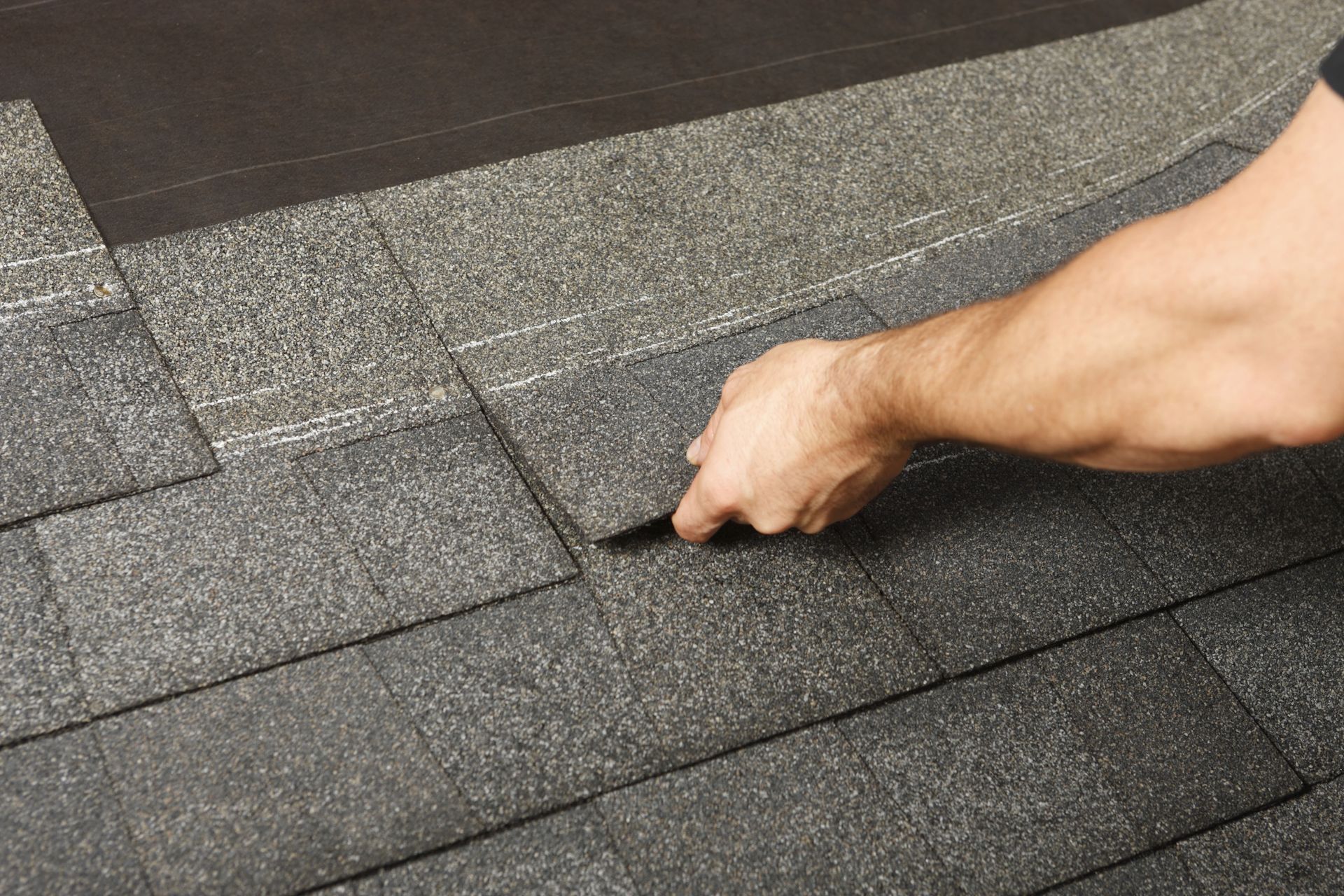
Asphalt remains a dominant force in the residential roofing market due to its balance of cost-effectiveness and reliable performance. According to Roofer's Guild, 75% of North American homes have asphalt shingle roofs. This high market share exists because the material is adaptable to a wide range of slopes and styles. Experienced roofing contractors often recommend architectural or dimensional shingles over basic versions because the multi-layered construction provides enhanced wind resistance and a more substantial moisture barrier. When roofing contractors install these modern systems, they utilize advanced granules that reflect sunlight, which can significantly contribute to the overall energy efficiency of the home by reducing heat absorption in the attic space.
Recognizing the Critical Role of Attic Ventilation
A roof is not merely a surface layer; it is a complex system that requires proper airflow to function correctly. Roofing contractors consistently advocate for balanced ventilation, which involves a strategic combination of intake vents at the eaves and exhaust vents at the ridge. Without this airflow, heat and moisture become trapped, leading to several detrimental outcomes. In the winter, trapped heat can cause ice dams by melting snow on the surface, which then refreezes at the gutters. In the summer, excessive heat can bake shingles from the underside, causing them to curl or lose protective granules. Professional roofing contractors evaluate the cubic footage of the attic to ensure the ventilation system meets specific building codes.
Ensuring Proper Underlayment and Flashing
While visible shingles receive the most attention, the secondary layers of defense are what truly keep a home dry. Roofing contractors identify flashing—the thin pieces of metal installed at joints—as the most common point of failure in aging systems. Areas around chimneys and valleys require precise installation to direct water away from the substructure. Furthermore, the use of high-grade synthetic underlayment provides a much more durable waterproof barrier than traditional felt paper. When roofing contractors perform a full replacement, they meticulously inspect the wooden decking beneath these layers for signs of rot or mold, ensuring that the new system is built upon a solid and healthy foundation for the future.
Understanding the Importance of Regular Professional Inspections
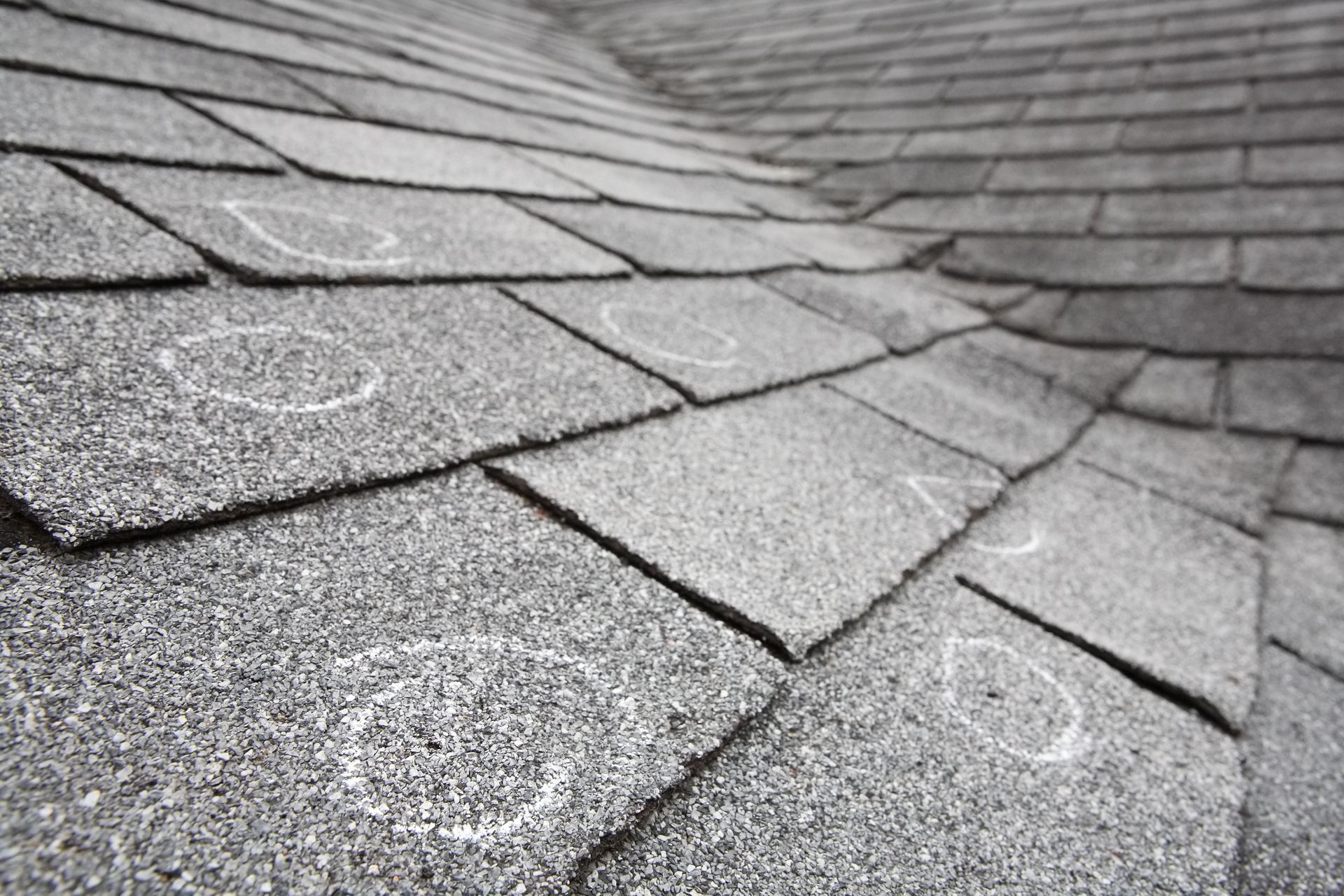
Proactive maintenance is the most effective way to extend the lifespan of any system. Most roofing contractors suggest scheduling a professional assessment at least once a year, preferably before harsh weather arrives. These inspections allow experts to identify minor issues, such as loose shingles or cracked seals, before they escalate into major leaks. Small leaks can often remain hidden for months, slowly damaging insulation and wooden supports before they become visible on the interior ceiling. By establishing a relationship with reputable roofing contractors, homeowners can document the condition of their roof over time, which is invaluable for insurance claims following a significant storm event or natural disaster.
Managing Gutter Systems and Drainage
A roof cannot be considered successful if it does not effectively move water away from the foundation. Roofing contractors often include gutter evaluation as a standard part of their service because clogged or undersized gutters can cause water to back up under the eaves. This pooling water leads to fascia rot and can even compromise the stability of the foundation if downspouts are not directing runoff far enough from the walls. Experts recommend that gutters be cleaned twice annually and checked for proper pitch. If gutters are pulling away from the roofline, roofing contractors can reinforce the hangers or recommend seamless aluminum options that minimize the risk of leaks at the joints.
Evaluating Metal Roofing for Long-Term Value
For homeowners seeking a solution that lasts for half a century, metal roofing is a frequent recommendation among top-tier roofing contractors. Materials such as standing seam steel, aluminum, and copper offer exceptional resistance to fire, wind, and impact. While the initial investment for a metal system is higher than for asphalt, the lifecycle cost is often lower because the material requires less frequent replacement and minimal maintenance. Additionally, metal roofs are often lighter than tile or slate, making them a versatile choice for various architectural designs. When roofing contractors install these systems, they often use hidden fasteners to provide a sleek appearance and eliminate potential leak points.
Addressing Environmental and Energy Factors
Modern technology has advanced to include features that actively lower a home’s carbon footprint. Many roofing contractors now offer shingles and coatings designed to reflect a higher percentage of the sun's rays. This reduces the heat island effect and can lower interior cooling costs during summer months. In addition to reflective materials, the integration of solar-ready components is becoming more common. Many professionals are now trained to coordinate with solar installers to ensure that panels are mounted without compromising the waterproofing. Choosing materials that are recyclable at the end of their lifespan is another recommendation for environmentally conscious property owners looking to reduce their waste impact.
Navigating Warranty and Insurance Requirements
Understanding the nuances of warranties is critical for protecting a significant financial investment. Roofing contractors usually provide two distinct types of coverage: a manufacturer’s warranty on materials and a workmanship warranty on the installation. It is important to note that many high-level manufacturer warranties are only valid if the system is installed by certified professionals who follow specific guidelines. If a roof is not installed according to these rigorous standards, the warranty may be voided, leaving the homeowner responsible for any future defects. Reputable teams will provide clear documentation of these warranties and assist with necessary permits to ensure the project complies with all local building regulations.
The Risks of Untrained Labor
The complexity of modern systems requires a level of precision that can only be achieved through years of experience and formal training. Professionals undergo extensive safety training to manage the inherent risks of working at heights. Furthermore, the use of technical tools, such as pneumatic nailers calibrated for specific shingle types or thermal imaging cameras for leak detection, is standard for professional crews. Attempting to use untrained labor or cut corners on the installation process often results in uneven shingle placement and compromised flashing, all of which lead to premature failure. Engaging a licensed team ensures that the project is completed efficiently and safely, adhering to the highest standards.
Investing in a high-quality roof is one of the most vital steps a homeowner can take to preserve the value and safety of their property. Consistent care and expert guidance are the keys to a roof that remains functional. Ready to ensure your home remains protected for decades to come? Trust the experts at Chris Jordan Jr Solutions to handle your next project with the precision and professional care it deserves. Whether you need a comprehensive assessment or a full system replacement, our team is here to provide reliable guidance and lasting results.